 Czechia
 Slovakia
 Poland
 Worldwide


What should you use to paint a concrete floor in a garage, workshop or basement?
Description
What should I use to paint a concrete floor in a garage or basement?
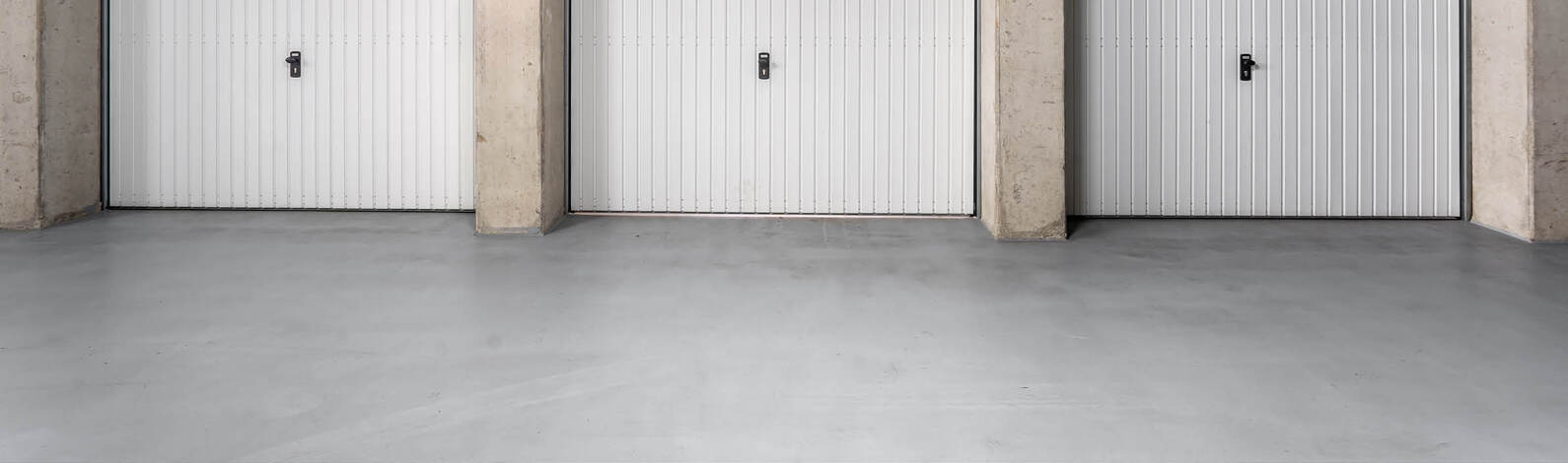
Concrete floors in garages, basements, workshops or warehouses are often exposed to moisture, mechanical stress, salt and oil stains. Untreated concrete is dusty, difficult to maintain and gradually degrades. The right coating will strengthen the floor, reduce dust, increase durability and significantly facilitate maintenance.
Recommended product
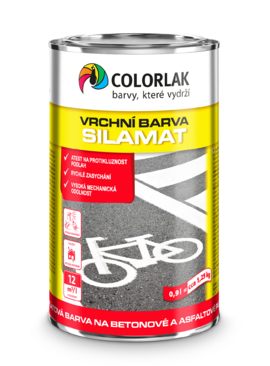
SILAMAT S2819 paint for concrete and asphalt coatings
Why SILAMAT?
SILAMAT is intended for color marking and coating of various concrete and asphalt surfaces in the interior and exterior. For example, on the floors of halls, garages, warehouses, cellars, children's and sports playgrounds, bicycle paths, parking lots, platforms, company marking of roads, parking areas, workshops, etc. The paint is characterized by very fast drying , high weather resistance and is resistant to traffic by transport and storage equipment. The dried paint can be walked on after 3 - 4 hours after application. The paint can also be used on vertical surfaces such as walls, plinths, etc.
Main benefits:
- high abrasion resistance
- high mechanical resistance
- quick drying - walkable after 3-4 hours
- easy application with a roller or brush
- for normal loads in garages, warehouses and cellars
- durability of transport equipment
Where can SILAMAT be used?
- garages for passenger cars
- workshops
- warehouses
- technical rooms
- cellars
- marking of children's and traffic playgrounds
- corporate signage of roads, parking lots, and parking areas
- platforms, cycle paths
What documents?
- concrete floors (stable, dry, mature)
- concrete vertical walls and elements
- asphalt surfaces
- concrete paving
- stable mineral surfaces
What will you need?
- SILAMAT S2819
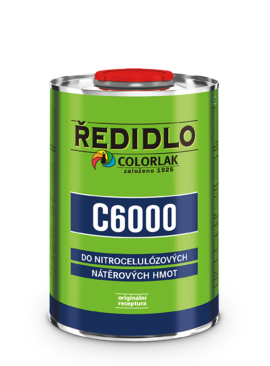
- THINNER C6000 for thinning paint and cleaning tools
- Degreaser
- Masking tape, masking film or cardboard
- Brush, sander to remove dirt or old paint residue
- Vacuum cleaner / broom
- Stirrer
- Suitable roller with rod, brush
- Protective equipment
Surface and its preparation
The quality of the coating and its functionality depend primarily on the correct preparation of the substrate.
The basis must be:
- firm (must not crumble), cohesive and mature
- dry, and insulated from the moisture below
- clean (free of grease and dirt), free of dust
Surface preparation
- cleaning from coarse impurities
- removal of old, loose coatings
- grinding of irregularities
- thorough dust removal
- removal of any grease
- drying, the surface must be dry and at the temperature for application
Coating procedure
Conditions:
- Temperature of the substrate, air and paint, ideally 15-25 °C, minimum temperature is 10 °C
- Max. relative humidity 75%
- Substrate moisture max. 10%
- Do not apply when moisture is condensing (approaching fog, dew)
- Mix the paint well.
1st layer coating (penetrating):
- SILAMAT S2819 is diluted with C6000 thinner in an amount of 20-30% for a penetration layer that will unify and strengthen the substrate.
- followed by drying for 4-24 hours, depending on conditions
2nd coat of paint:
- SILAMAT S2819, regular paint with roller or brush, thinning as needed
- This is followed by the coating drying, which takes 24 hours for normal operation, and the coating is fully cured in 2-3 days.
Most common mistakes
- Painting on a greasy and uncleaned surface
- Wrong application temperature
- Application to wet or uncured concrete
- Applying a very thick coat of paint
- Dilution with unsuitable thinner