
 Czechia
 Slovakia
 Poland
 Worldwide


How to paint a radiator indoors without causing an odor throughout the entire apartment?
Description
How to renovate the heating system without any odor in the entire apartment?
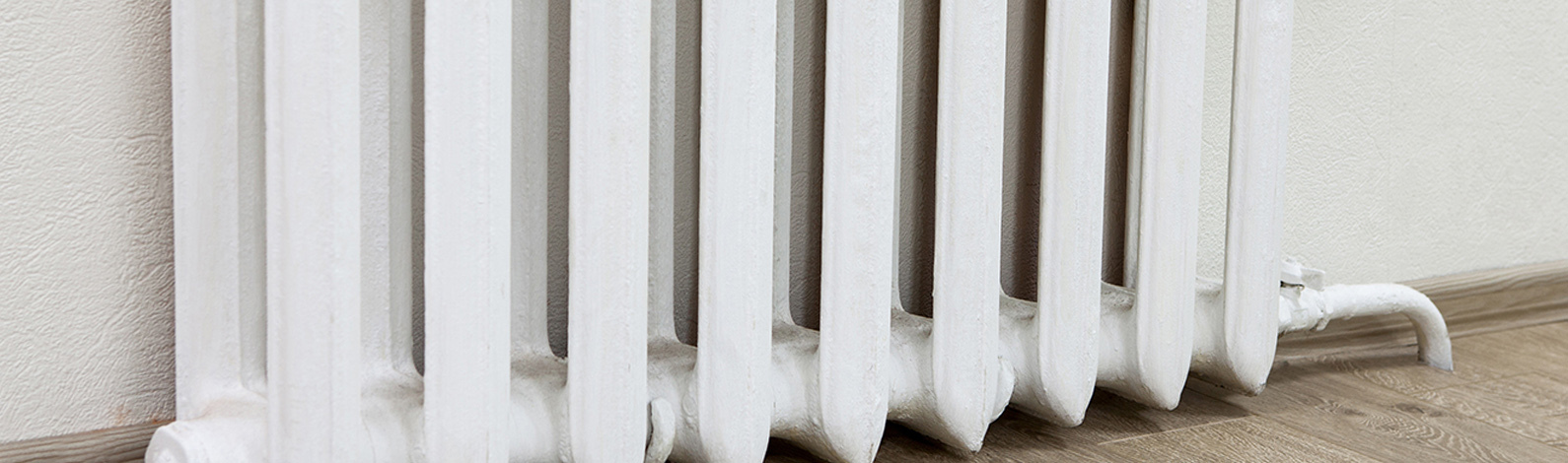
Radiators in many homes are yellowed, have traces of rust or other damage. With proper treatment, you can restore their shine and extend their lifespan, without causing unnecessary odors in the interior.
Recommended product
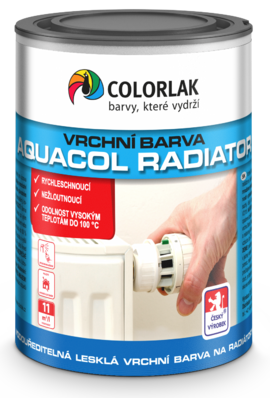
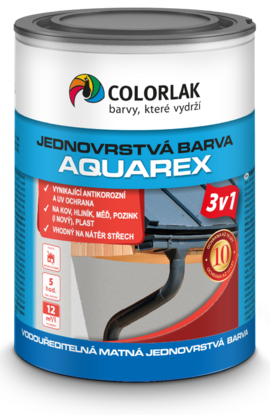
AQUAREX V2115 and AQUACOL RADIATOR V2077
- For metal surfaces - radiators, pipework, heat exchangers and fittings
- Anti-corrosion primer + 2 layers of top coat
- Quick-drying, suitable for hot water radiators, pipework, heat exchangers and fittings
Alternatives:
- Due to indoor use and reduced odor, this variant of water-based topcoat intended directly for radiators is recommended.
When to use WATER-BALANCED PAINTS
- You paint indoors and want to work in an environment with lower odors
- Greater emphasis on environmental friendliness of work
- Need for quick drying
What you will need
- AQUAREX V2115 (1 layer)
- AQUACOL RADIATOR V2077 (2 layers)
- Technical alcohol for degreasing + cloth
- Brush, sandpaper, grinder to remove rust from affected areas
- Wide brush, corner brush
- Protective equipment
Surface preparation
- Corrosion and old paint: Clean the surface, in places where corrosion is taking place, the rust must be removed completely down to bare metal, remove peeling paint with a wire brush
- Cleaning: Use technical alcohol, degrease
- Anti-corrosion coating: Apply 1 coat of AQUAREX V2115
- Top coat: After the anti-corrosion paint has dried, apply top coat AQUACOL RADIATOR V2077. After drying, apply the 2nd coat
- Critical points: Edges, joints, internal ribbing
Painting procedure (simplified)
Conditions:
- Cooled and turned off radiator
- 18-22 °C, max. humidity 50%
1st layer coating:
- AQUAREX V2115
2nd coat of paint:
- After about 5 hours AQUACOL RADIATOR V2077
3rd layer coating:
- Optional for higher durability.
Most common mistakes
- Painting on a greasy, uncleaned surface
- Bad surface temperature (radiator not turned off, radiator not cooled)
- Failure to observe the intervals between coats and use of AQUAREX V2115 primer
- Insufficient rust removal
Tips and tricks
- Paint the radiator at least a month before the start of the heating season. The paint will have hardened.
- Use a corner brush for hard-to-reach parts of the radiator.
- Keep your tools clean, otherwise you will transfer grease to already prepared areas.
- Double anti-corrosion coating of the cleaned rust areas increases the service life and durability of the radiator and the entire coating.
Recommended
steps
-
Example of the radiator's original condition BEFORE the renovation coat

-
Thorough cleaning and sanding are important steps in ensuring long-term protection for the metal. It is necessary to sand down all rusty areas and remove any old, poorly adhering coatings.
-
It is necessary to ensure the entire radiator is thoroughly degreased; using denatured alcohol, for example, is suitable.
-
The AQUAREX anti-corrosion coating ensures the required high level of protection and surface uniformity.
-
The entire radiator needs to be painted, including hard-to-reach areas.
-
Even after the first coat of AQUACOL RADIATOR topcoat, a glossy, highly white (non-yellowing) radiator surface is visible.
-
To achieve the required long-term protection, we will also apply a second coat of topcoat.
Video
You might be interested
+2

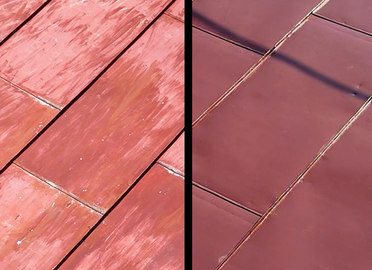
How to paint a metal roof so that it doesn´t rust and lasts for years?
The metal roof and gutters, as the most stressed part of the house, require great attention. In order for the coating to work well and, above all, for a long time, it is necessary to choose the right colors and pay due attention to the coating and preparation before painting. It is important to choose the colors well according to the type of substrate. A separate chapter is the coating of new galvanized or copper roofs, gutters, window sills, etc.
Zobrazit
+4

The difference between matte and glossy paint? When to use which?
When choosing a color, most people consider the shade, but they often forget about an equally important factor, the degree of gloss. A matte, semi-matte or glossy option can significantly affect the appearance of the interior, the perception of space and the practicality of maintenance. What is the real difference between them and when to choose which one? When deciding on the choice of shades and where to use glossy or matte surfaces in your home, always rely on your feelings and imagination. The difference between matte and glossy color (surface) is not only aesthetic, it also affects maintenance and the overall perception of space.
Zobrazit