
 Czechia
 Slovakia
 Poland
 Worldwide


What is the difference between wood stain, varnish and oil?
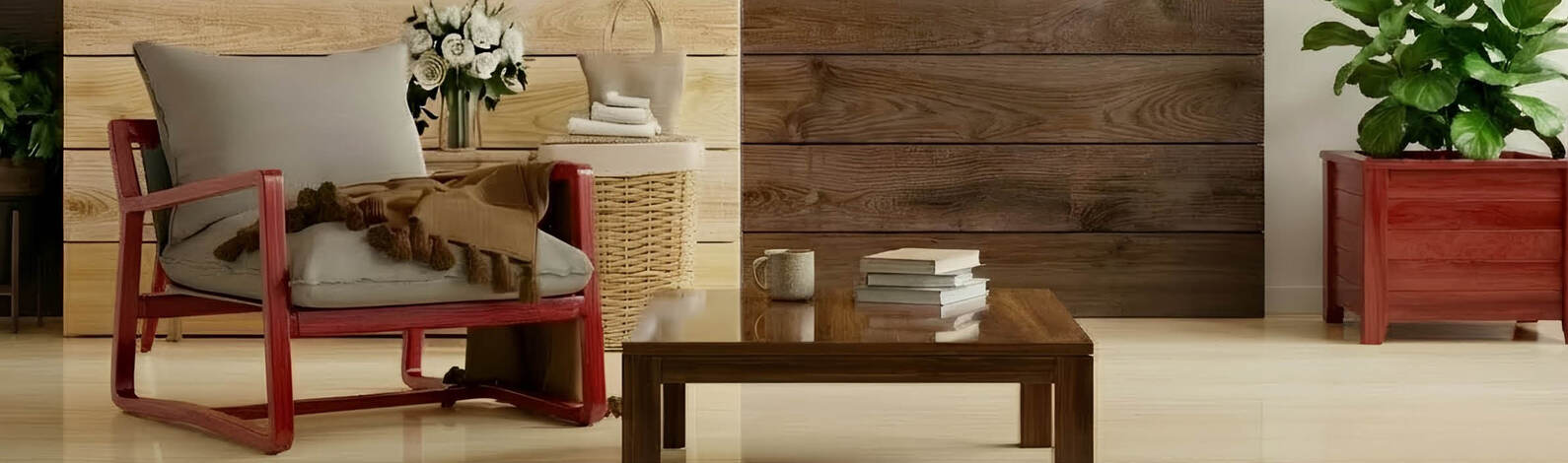
Description
Differences and uses of wood stains, oils and varnishes.
GLAZES
Stain creates a transparent coating that preserves the visible grain of the wood and, depending on the chosen shade, enhances it with color. Stain provides the wood with a protective and aesthetic function and protects the wood against the effects of UV radiation, weathering and water.
At COLORLAK, we divide glazes into three groups: oil (penetrating), thin-layer and thick-layer. Each group has its own advantages, justifications, but also certain practical limitations.
OIL STAIN
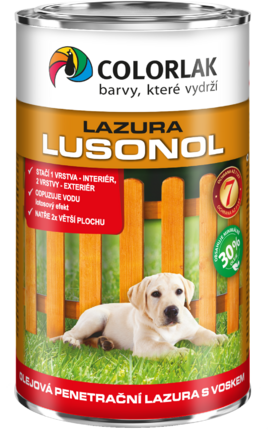
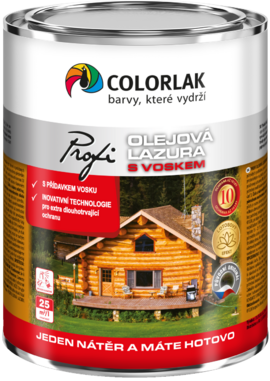
Oil stains are formulated for maximum deep penetration, protecting the wood in its mass. The stain should soak into the wood as much as possible and the natural structure and grain of the wood is preserved (even to the touch). These stains combine the properties of natural oils with modern protection against UV radiation and weathering. Our offer includes the following representatives: PROFI OIL STAIN O1020, LUSONOL S1023 and LUSONOL PROTEKT S1024.
A distinguishing feature of oil-based stains is that they are recommended to be wiped off if there are any unabsorbed residues, i.e. they do not and should not form a layer on the wood. Any unabsorbed residue of the stain should be wiped off (rubbed out) with, for example, a dry brush or absorbent cloth.
The advantage of these stains is that the wood breathes practically without restrictions and can therefore dry out (work) and evaporate any higher residual moisture. The stain does not crack or peel and has the easiest method of application and repair or renewal of the coating.
These glazes are most commonly used (justified) for protecting larger, massive elements permanently or long-term exposed to the weather, such as roof trusses, logs, fences, log cabins, pergolas, fencing, garden structures, garden furniture, etc.
THIN-LAYER STAINLESS STEEL
Thin-layer glazes only partially absorb into the wood and at the same time leave the required thin protective layer on the surface. The ability to absorb deeply into the wood is less than with oil glazes. The natural structure of the wood is no longer visible to the touch, it is covered by the glaze. Among our glazes, LUSONOL PROTEKT S1024 can be partially included here, which combines the advantages of oils with the protection and use of thin-layer glazes.
Thin-film glazes behave and dry differently than oil-based ones, so they are also suitable for less absorbent woods. They can be used, for example, on OSB boards, etc. They do not smear (mostly) and dry faster.
These stains need to be applied to volumetrically stable, dried, healthy, clean and well-prepared (sanded) wood.
Use, for example, for garden furniture, wooden accessories, windows, doors, cladding, etc.
THICK-COATING (LACQUER) STAINLESS STEEL
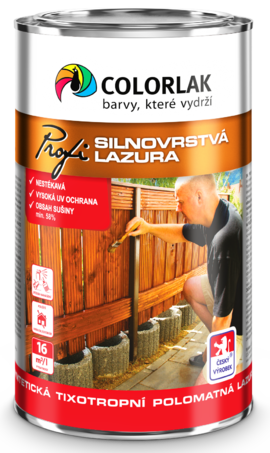
Thick-layer glazes are designed to create a pronounced protective "varnish" layer on wood, and therefore their ability to penetrate the wood to depth is less. Therefore, a biocidal impregnation agent, e.g. FUNGISTOP S1031 or a combination of impregnation and thin-layer glaze is often used as a base layer. Here is a representative of solvent-based glazes, the thixotropic PROFI LAZURA S1025 and the water-soluble variant FORTELUX AQUA V1407.
Many thick-layer glazes have a thixotropic character already set to achieve thicker layers during application.
These stains can only be applied to dimensionally stable, dried, well-prepared and sanded wood. These stains are also suitable for less absorbent wood. They can be used, for example, on OSB boards, etc.
Use for example on windows, doors, cladding, garden furniture, etc.
VARNISHES
Varnish is a colorless, transparent (clear) coating that creates a protective film on the surface of the substrate. Varnishes can be divided and distinguished according to a number of criteria.
They differ in composition (nitrocellulose, synthetic, oil, water-based, polyurethane, epoxy), drying method (air-drying /at normal temperatures/, baking, two-component, UV-curable), use (for wood, metal, concrete, flooring, paper, children's toys, interior/exterior) and, for example, gloss (glossy, matte, semi-matte, ultra-matte).
Depending on their composition, varnishes also have a certain light color, for example, oil or nitrocellulose varnishes are colored in a honey shade, while classic water-based acrylic varnishes are colorless and are used, for example, in the so-called Scandinavian style.
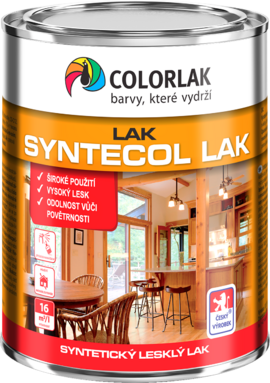
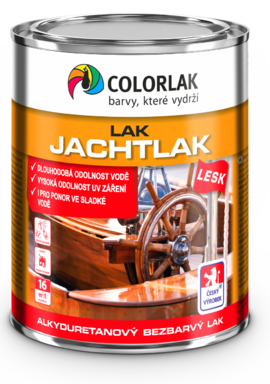
Now we will introduce only a few of the most common varnishes that are intended for regular retail sale and can be purchased in regular stores and chains with a range of paints. We will not list special or industrial varnishes here. For exterior use, we offer solvent variants such as JACHTLAK S1006, the classic SYNTECOL LAK S1002 and, for example, the polyurethane varnish AXAPUR UNI U1020. For modelers and hobby users, we have LIHOLAK L1010. For interior wood coatings, including toys, use AQUALAK V1419, or its more durable variant AQUASPORT UNI V1422. PROFI PARKET V1509 is intended for durable coatings of floors, stairs, and toys. A separate category is nitrocellulose varnishes intended for furniture and various decorations and wooden accessories in the interior. BASIC VARNISH C1036, CELOLESK C1037 and CELOMAT C1038.
OILS
Wood treatment oils are based on natural vegetable oils (their modifications and combinations) using waxes, and can be available in both a colorless transparent version and a colored transparent version.
Oils penetrate deep into the wood, are easy to apply and maintain, allow the wood to breathe, and the paint does not crack or peel.
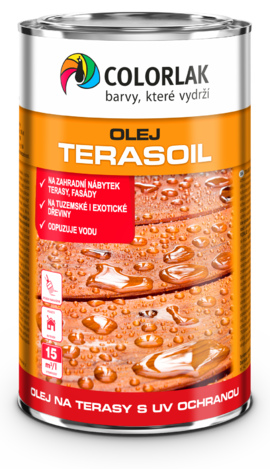
Depending on the degree of refinement of the oils and their specific composition, there is currently a very wide range of oils. These range from classic products such as Teak oil to special, very durable, hard and quick-drying variants such as Hard Wax Oil. Our offer includes TEAK OIL O1011 and TERASOIL O1014.
Oil-treated wood has its natural color revived (enhanced), is deeply treated and protected against external adverse influences.
Video
You might be interested
+9

What is the difference between synthetic and water-based paints? Which one should I use for what?
Which paint to choose, synthetic or water-based? Both groups of paints have their advantages, specifics and certain limitations, for example, from dilution, to odor during application, to use indoors or outdoors. This article is intended to help you understand the differences, dispel some myths and assist in choosing the right paint for a specific application. It is true that it is always necessary to compare specific paints for a specific application.
Zobrazit
+4

How to properly paint wood so that it lasts like new for years?
A wooden fence, pergola or garden furniture is constantly exposed to sun, rain, moisture and frost. Without proper protection, the wood turns grey, cracks, and is attacked by mould or wood-destroying fungi. A properly selected coating with fungicidal protection and regular maintenance can significantly extend the life of the wood and preserve its beautiful appearance for many years.
Zobrazit
+4

The difference between matte and glossy paint? When to use which?
When choosing a color, most people consider the shade, but they often forget about an equally important factor, the degree of gloss. A matte, semi-matte or glossy option can significantly affect the appearance of the interior, the perception of space and the practicality of maintenance. What is the real difference between them and when to choose which one? When deciding on the choice of shades and where to use glossy or matte surfaces in your home, always rely on your feelings and imagination. The difference between matte and glossy color (surface) is not only aesthetic, it also affects maintenance and the overall perception of space.
Zobrazit