
 Czechia
 Slovakia
 Poland
 Worldwide


What is the difference between synthetic and water-based paints? Which one should I use for what?
Description
The difference between synthetic and water-based paints?
Which paint to choose, synthetic or water-based?
Both groups of paints have their advantages, specifics and certain limitations, for example, from dilution, through odor during application, to use indoors or outdoors. This article is intended to help you understand the differences, dispel some myths and assist in choosing the right paint for a specific application. It is true that it is always necessary to compare specific paints for a specific application.
There are many differences between synthetic (solvent-based) and water-based paints, and they depend on the specific purpose of use and the conditions during application and curing of the paint. In many situations, both variants will handle the situation similarly, and it just depends on your choice.
QUICK RECOMMENDATION / DECISION
- SYNTHETIC PAINTS , a traditional choice with excellent resistance to abrasion and mechanical stress, for interior and exterior use, are more tolerant to application and storage conditions, and dry slower
- WATER-BOUND PAINTS , modern technology, interior and exterior use, low odor and therefore more suitable for residential areas, quick drying, recommended application temperatures must be observed, must not freeze
HOW INDIVIDUAL COLORS WORK
SYNTHETIC COLORS
traditional use in exterior and interior
higher mechanical and abrasion resistance
Thinners are used to dilute paint, clean and wash tools.
they have a characteristic odor when applied and dried (indoors, this may be bothersome for sensitive people)
slower drying
high-quality pouring, no brush strokes visible
more tolerant to application conditions
more tolerant of the quality of substrate preparation (common implementations in the garden, backyard)
common storage and transportation requirements
usually longer warranties and longer usage time
WATER-BALANCED PAINTS
for outdoor and indoor use
more suitable for application in residential areas
thanks to modern technologies, they often have comparable resistance today
Clean water is used to dilute paint, clean and wash tools.
slight odor that dissipates quickly (suitable for sensitive people, children, allergy sufferers)
quick drying
worse spill, brush strokes are visible
recommended application conditions must be followed
high-quality preparation of the substrate is necessary (clean and, above all, very well degreased surface)
higher storage and transportation requirements (above +5°C, must not freeze)
slightly shorter warranties and possibly shorter usage time (after warranty)
EXPERIENCED MYTHS AND FACTS
WATER-DILUABLE PAINT, is diluted with water, but after drying it is resistant to water and normal washing, so it is in no way soluble in water.
Water-based paint is NOT washable with water!!!!
In our range, you can often choose from synthetic or water-based paints for the same application. The choice is yours.
Here are examples of such assortment alternatives:
Basic colors:
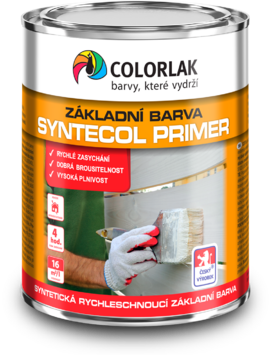
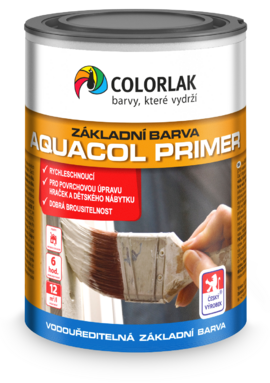
SYNTECOL PRIMER S2070 or AQUACOL PRIMER V2070
Top universal colors:
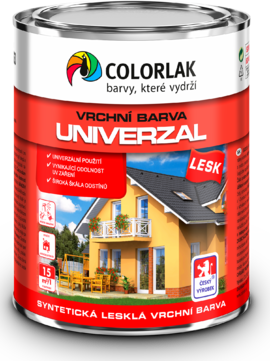
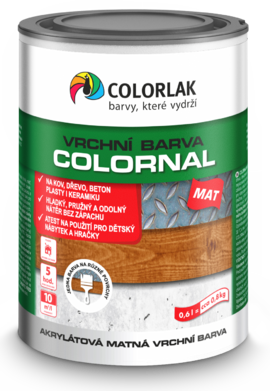
UNIVERSAL S2013 or COLORNAL MAT V2030
Single-layer anti-corrosion paints (3in1):
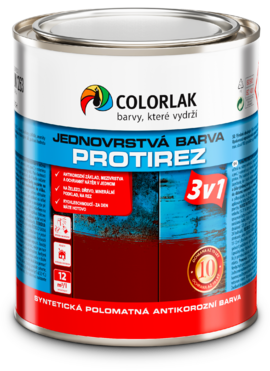
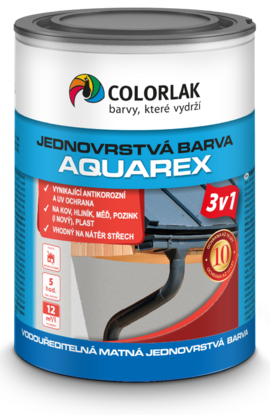
PROTIREZ S2015 or AQUAREX V2115
Wood varnishes:
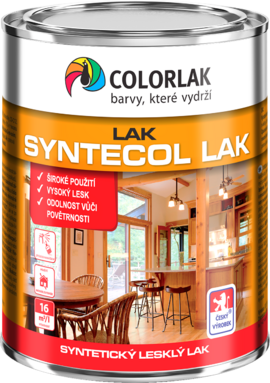
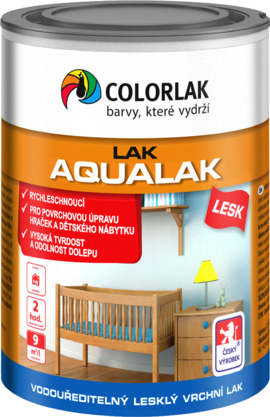
SYNTECOL LAK S1002 or AQUALAK V1419
Wood stains:
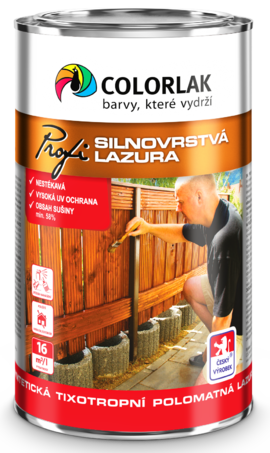
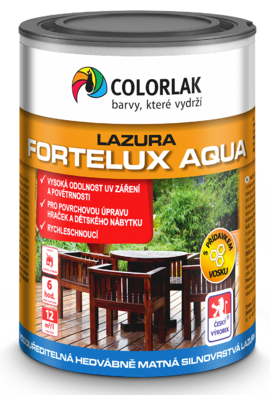
PROFI LAZURA S1025 or FORTELUX AQUA V1407
Video
You might be interested
+5

What is the difference between wood stain, varnish and oil?
Wood treatment and protection has its own rules, especially for wood that is exposed to weather and UV rays for a long time or permanently. The use of oils and oil glazes is a return to the traditional and centuries-old wood treatment in both interior and exterior areas.
Zobrazit
+4

How to properly paint wood so that it lasts like new for years?
A wooden fence, pergola or garden furniture is constantly exposed to sun, rain, moisture and frost. Without proper protection, the wood turns grey, cracks, and is attacked by mould or wood-destroying fungi. A properly selected coating with fungicidal protection and regular maintenance can significantly extend the life of the wood and preserve its beautiful appearance for many years.
Zobrazit
+4

The difference between matte and glossy paint? When to use which?
When choosing a color, most people consider the shade, but they often forget about an equally important factor, the degree of gloss. A matte, semi-matte or glossy option can significantly affect the appearance of the interior, the perception of space and the practicality of maintenance. What is the real difference between them and when to choose which one? When deciding on the choice of shades and where to use glossy or matte surfaces in your home, always rely on your feelings and imagination. The difference between matte and glossy color (surface) is not only aesthetic, it also affects maintenance and the overall perception of space.
Zobrazit